
Online Reputation Management for Small Businesses
Your business doesn’t just exist in a storefront or on a website anymore. It lives in Google reviews, Facebook comments, Yelp ratings, and industry directories. Potential customers are forming opinions about your brand before they ever walk through your door or pick up the phone.
Most consumers trust online reviews as much as personal recommendations from friends or family. Before contacting a business, the majority of customers will read reviews to gauge quality, service, and reliability. A single negative review (especially if left unanswered) can influence buying decisions and send prospects straight to your competitors.
Here’s the good news: a strong online reputation leads to higher conversions, better search rankings, and deeper trust with your audience. Managing that reputation doesn’t have to be overwhelming. At Wallob, we help small businesses in Winston-Salem and beyond monitor, protect, and grow their brand perception across every platform that matters.
Learn the essentials of online reputation management (ORM) and discover how to transform customer reviews into a powerful marketing tool to grow your brand.
What Is Online Reputation Management (ORM)?
Online reputation management is the process of monitoring, improving, and protecting how your business appears online—including reviews, search results, social media mentions, and public feedback.
ORM isn’t just about damage control. It’s a proactive strategy that involves:
-
- Monitoring what people are saying about your brand
- Responding to reviews and comments professionally
- Optimizing your online presence to highlight positive content
- Promoting customer success stories and testimonials
When done right, reputation management becomes a growth engine. It builds trust, strengthens your local SEO, and gives you a competitive edge in crowded markets.
Why Online Reviews Directly Impact Your Revenue
Reviews aren’t just nice to have. These days they are essential to your bottom line.
Customers rely on reviews to make purchasing decisions. A business with a 4.5-star rating is far more likely to earn clicks and conversions than one with a 3.2-star rating, even if the services are similar. Star ratings also affect click-through rates in search results and Google Maps, which means more visibility leads to more revenue.
Google also factors review signals into local rankings. Businesses with consistent, high-quality reviews tend to rank higher in the Local Pack (that coveted three-business section at the top of search results). Recency and frequency matter too. If your last review was six months ago, it signals to Google (and to potential customers) that your business may be less active or engaged.
The bottom line? Reviews influence how often you’re seen, how often you’re trusted, and how often you’re chosen.
Where Small Businesses Should Monitor Reviews
You can’t manage what you don’t monitor. Here’s where your attention should go:
Google Business Profile
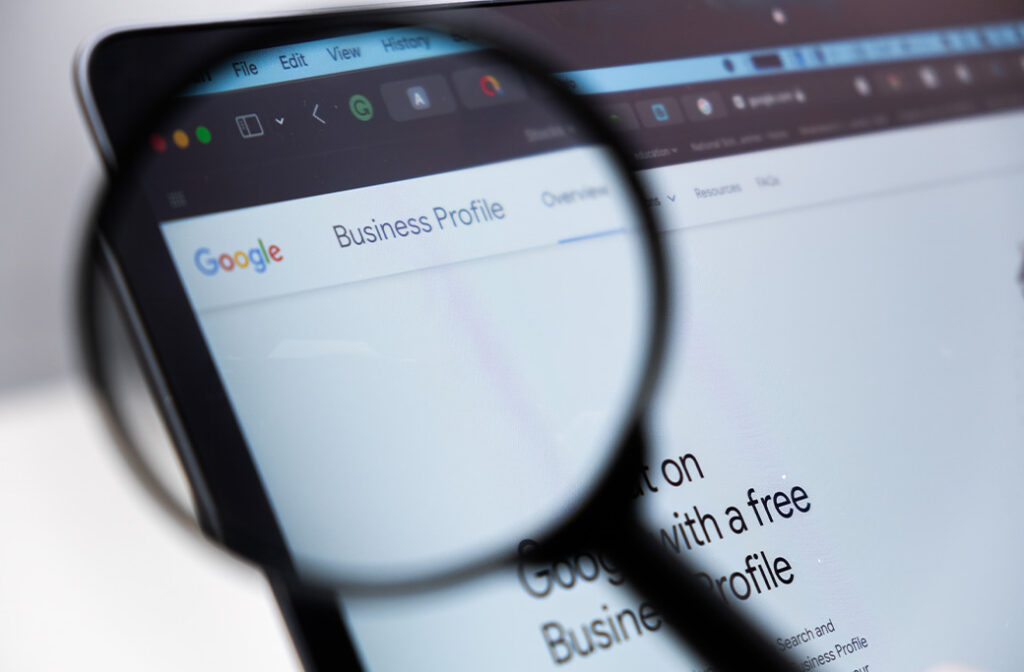
This is the most important platform for local businesses. Your Google Business Profile (formerly Google My Business) directly impacts your visibility in Google Search and Maps. It’s often the first thing customers see when they search for your services, and it plays a major role in Local Pack rankings.
Facebook & Social Platforms
Facebook reviews and recommendations offer social proof and community engagement. Customers often leave reviews here after interacting with your business on social media, so staying responsive is key.
Industry-Specific Directories
Depending on your industry, platforms like Yelp, Healthgrades, Avvo, or Houzz may be essential. Home services, healthcare, legal, and hospitality businesses should pay close attention to niche directories where their audiences are most active.
Niche Review Sites
Don’t overlook smaller, industry-specific platforms. Whether it’s a trade association directory or a local review board, these sites can influence decision-making in specialized markets.
Review Response Tips for Small Businesses
Responding to reviews isn’t optional. It is expected. Here’s how to do it right.
How to Respond to Positive Reviews
Thank the customer by name and reference something specific about their experience. For example, “Thanks so much, Sarah! We’re thrilled you loved the new website design.” Invite them back and keep your tone authentic. Generic responses feel robotic and reduce trust.
How to Respond to Negative Reviews
Respond quickly, ideally within 24 to 48 hours. Stay calm and professional, even if the review feels unfair. Acknowledge the concern and offer to resolve the issue offline. For example: “We’re sorry to hear about your experience, John. We’d love the chance to make this right. Please give us a call at 336-203-7932 so we can discuss this further.”
Never argue publicly or get defensive. It reflects poorly on your brand and can escalate the situation.
What NOT to Do
Don’t ignore reviews. Silence sends the wrong message. Avoid copy-paste generic responses, as they come across as insincere. Never delete legitimate negative reviews (it’s against most platform policies and damages credibility). Above all else, do not let emotions drive your response. Take a breath, then reply thoughtfully.
How to Get More Positive Reviews (Ethically)
You don’t have to wait for reviews to trickle in. Here’s how to encourage happy customers to share their experiences:
Ask at the right time, ideally right after service completion when satisfaction is fresh. Use automated review request emails or text messages to make the process seamless. Provide direct review links so customers don’t have to hunt for your profile. Train your staff to encourage feedback in a natural, non-pushy way. And most importantly, make the process simple. The easier you make it, the more reviews you’ll receive.
Common Online Reputation Mistakes Small Businesses Make
Even well-meaning businesses make reputation management mistakes. Here are the most common ones:
-
- Only responding to negative reviews (positive ones deserve attention too)
- Inconsistent monitoring across platforms
- No review generation strategy in place
- Letting one platform dominate brand perception
- Not leveraging positive reviews in marketing materials
Avoiding these pitfalls can dramatically improve how your business is perceived online.
How Wallob Manages Online Reputation for Small Businesses
At Wallob, we treat your reputation like the valuable asset it is. Here’s what we do:
We monitor reviews across all major platforms, so nothing slips through the cracks. We implement review generation systems that encourage happy customers to share their experiences. Our team crafts professional, strategic responses that protect your brand voice and resolve concerns effectively. We optimize your Google Business Profile to maximize visibility and engagement. When possible, we suppress negative content and promote positive brand stories. We also track sentiment and performance over time, so you can see the impact of reputation management on your business growth.
Consistency, strategy, and brand voice alignment are at the heart of everything we do. Protecting your long-term credibility isn’t just our job—it’s our priority.
SEO Connection: Why Reputation Impacts Local Rankings
Your reputation and your search rankings are closely linked.
Review signals influence Local SEO. Google considers the quantity, quality, and recency of reviews when determining local rankings. Keywords within reviews also help your business show up for relevant searches. For example, if multiple customers mention “fast service” or “great pricing,” Google picks up on those themes.
Response rate impacts trust signals. Businesses that actively engage with reviews tend to rank higher because they demonstrate reliability and customer care. A strong reputation also improves click-through rates, which sends positive engagement signals back to Google.
At Wallob, we integrate reputation management into our broader digital marketing services, ensuring your online presence works together to drive results.
How Long Does Reputation Management Take to Show Results?
You’ll see immediate improvement in engagement once you start responding to reviews consistently. Within 30 to 60 days, you should notice noticeable review growth as your generation strategy kicks in. After 3 to 6 months, you’ll have a strong reputation positioning that translates into better rankings, more trust, and higher conversions.
Reputation management is a long-term investment, but the payoff is worth it.
Online Reputation Management for Small Businesses
Reviews influence trust, visibility, and revenue. Small businesses cannot afford to ignore brand perception, especially when competitors are just one click away. Proactive management leads to stronger growth, better customer relationships, and a brand people are proud to recommend.
At Wallob, we help small businesses protect and grow their reputations with proven strategies and hands-on support. If you’re ready to take control of how your business appears online, we’d love to help.
Contact us at 336-203-7932 or schedule a meeting to get started.
About the Author: Richard J Carr