SEO vs AEO: What Small Businesses Need to Know in 2026
Search Marketing Has Always Been About Adaptation. A decade back, stuffing keywords on a webpage was all it took to climb the Google rankings. Then came mobile optimization, page speed, and backlinks. Now, a new shift is in full swing, and the fact is most small business owners have no idea just how big it is.
When someone asks Siri “What’s the best plumber near me?” or types a question into ChatGPT, they’re not clicking through a dozen search results. They’re getting a straight answer and that answer comes from somewhere. If your business isn’t optimized to be that source, then you don’t exist to a growing chunk of your market.
This is where the difference between SEO (Search Engine Optimization) and AEO (Answer Engine Optimization) becomes really important. Both are important. Both have a job to do. For small businesses competing in 2026, understanding how they fit together is no longer a choice. It is a must.
What Is SEO?
SEO is the process of optimizing your website and content so that it ranks higher in search engines. When someone searches Google for “coffee shop in Winston-Salem” the businesses that show up on page one didn’t get there by luck. They’d ticked all the right boxes by making deliberate choices about how they wanted to be seen.
The core parts of SEO include:
-
- Keywords and on-page optimization: Using the words and phrases that your customers actually use to search for a product or services and then sprinkling them in your content and headings in a way that feels natural.
- Technical SEO: Things like site speed, mobile responsiveness, and clean URL structures that help search engines to crawl and index your site.
- Backlinks and authority: Links from other reputable sites that give Google the impression your content is trustworthy and worth ranking.
- User experience signals: Time on page, bounce rate, click-through rates all provide search engines with valuable insights into how well your content meets user intent.
SEO is still the bedrock of organic visibility in 2026. It drives website traffic, builds long term authroity, and gets you in front of people who are actually searching for what you offer.
What Is AEO?
AEO is the process of optimizing your content so that AI-powered platforms and answer engines use it when responding to user queries. Think of it as positioning your business as the go-to source that AI trusts when it’s looking to provide a direct answer.
AEO is important across several platforms that are now part of our everyday search routine:
-
- Google’s featured snippets and “People Also Ask” boxes
- AI chat interfaces like ChatGPT and Bing AI
- Voice assistants like Siri and Alexa
The key parts of AEO are a little different from traditional SEO:
-
- Writing that answers questions clearly and directly: Not just stringing together keywords, but actually giving people answers to the questions they’re typing in.
- FAQ schema and structured data markup: Formatting that helps AI engines to understand and use your content accurately.
- Direct answers to user questions: Simple, concise replies to common queries, ideally within the first few sentences of the section.
AEO does not replace SEO. Instead it builds on it. A well-optimized website that also answers questions clearly and uses proper schema is set up to excel on both fronts.
Why Small Businesses Should Care About Both in 2026
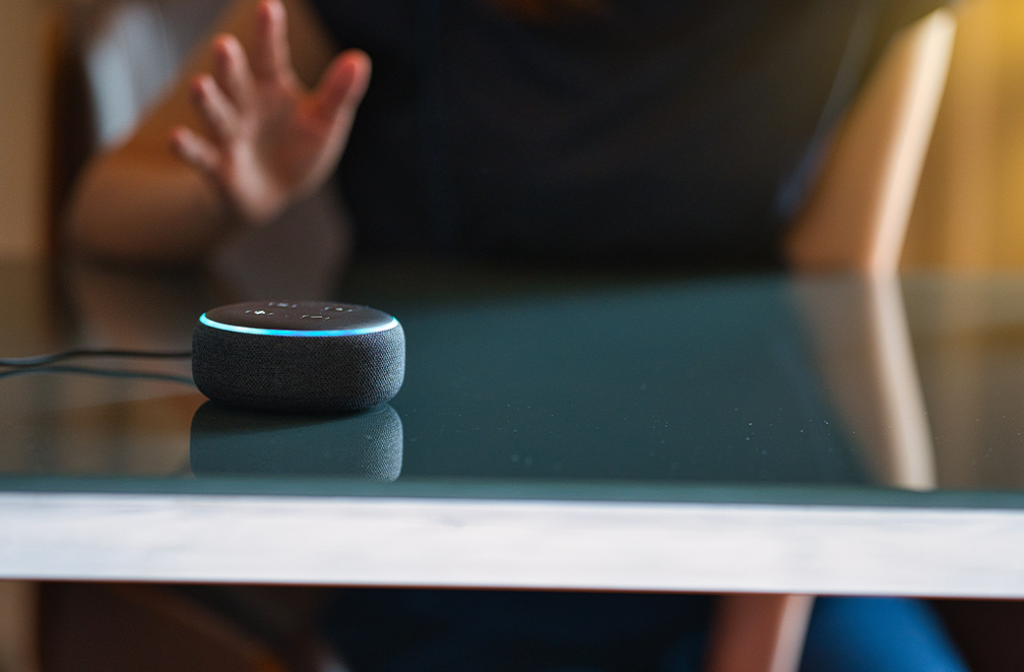
People today expect fast, accurate answers. They don’t want to wade through paragraphs to find a phone number or business hours listing. Voice search has made that expectation even more important. So has the rise of AI chat tools that summarize information in seconds.
A small business that ignores AEO is at risk of being invisible to its customers. A business that abandons SEO in favor of AEO alone would be equally short sighted. Organic search traffic is still one of the best converting channels out there.
The businesses that are going to capture the most visibility in 2026 are the ones that do both. Strong SEO is the foundation and AEO ensures that foundation gets surfaced in the newest search environments.
Practical Tips for Small Businesses to Leverage SEO & AEO

Write Clear Content that Answers Questions
Every page on your site should try to satisfy two masters: the search engine algorithm and the human or AI reading it. Write clearly. Answer questions as soon as you can. Use headings and bullet points to make content scannable. Don’t bury key info in long paragraphs.
Refreshing Older Content is Still a Good Idea
Search engines really do reward relevance and AI engines tend to draw from the most up-to-date sources they can find. So keeping your older content fresh is actually a pretty smart move.
Putting in the Work on FAQs and Schema Markup
FAQs are a no-brainer for small business owners. They’re one of the most effective SEO investments you can make. Plus, they mirror exactly how people phrase their voice & AI queries. When you pair them with FAQ schema markup, you increase your chances of getting featured in those coveted “People Also Ask” sections and AI-generated responses.
It’s also worth noting that schema markup for products, services, reviews, and local business info helps search engines and AI platforms understand what you offer and where you’re located.
Monitor Keywords AND Answer Queries
Traditional keyword tracking will tell you how you’re doing on Google. However, if you really want to get ahead, you need to track the actual questions your target audience is asking their AI assistants and voice search tool, which reveals a different layer of opportunity.
Take a look at those “People Also Ask” boxes in Google for your key topic. Review real-life questions your customers are emailing your customer service team. These are the kinds of queries that are worth writing content around.
Getting Your Local Business In Front of People
For most small businesses, local search is where the money is. By combining local SEO with AEO, you get the best of both worlds: your business shows up in Google’s map pack, and you get cited in AI responses when someone asks for a recommendation in your area.
That means keeping your Google Business Profile 100% up-to-date, and regularly collecting reviews. Plus, using location-specific keywords in your content so search engines and AI engines can associate your business with the right location.
Common Mistakes Small Businesses Make
Even well-meaning businesses can stumble when it comes to SEO & AEO, and unfortunately, that’s often because they just don’t get it. The most common pitfalls include:
-
- Thinking SEO and AEO are the same thing – They’re not identical. Each requires its own strategy and way of measuring progress.
- Writing for search engines, not people – Keyword-stuffed content that doesn’t actually answer the question is a waste of time on both SEO and AEO metrics.
- Failing to use structured data & FAQs – Schema markup is still way underutilized by small businesses, which means those who do use it get a real competitive edge.
- Not tracking the trends in AI-driven traffic – If you’re only monitoring traditional organic traffic, you’re missing half the story.
How Wallob Helps Small Businesses with SEO + AEO

At Wallob Marketing, we’ve spent over 25 years helping businesses grow through smart, strategic digital marketing. Our team works with small businesses all over Winston-Salem and beyond to build search visibility that holds up as the landscape keeps changing.
Our approach covers both sides of the equation:
-
- Full website audits covering the technical side of SEO, on-page optimization & content structure
- Designing a FAQ and structured content strategy to capture AI-generated answers and featured snippets
- Keyword and AI query research that’s customized to how people are searching in 2026
- Integrating local SEO to get your business connected to both map pack results and direct AI answers
- Ongoing monitoring and reporting on both traditional search rankings and answer engine visibility
Whether you’re starting from scratch or just want to tweak what you’re doing, we’ll help you build a search presence that covers all the ways customers find businesses today.
SEO vs AEO: What Small Businesses Really Need to Know in 2026
SEO and AEO aren’t competing priorities. SEO builds your authority and drives traffic to your website, and AEO makes sure that authority translates into visibility in the AI-powered search environments your customers are already using.
The businesses that invest in both now are setting themselves up to capture more traffic, build credibility, and turn customers into sales across all the major search channels. Those that don’t, risk getting left behind by the competition who do.
Ready to build a search strategy that covers it all? Contact Wallob Marketing for a free analysis and find out exactly where your business is, and what it would take to get ahead.
|
Factor |
SEO |
AEO |
|---|---|---|
|
Primary Goal |
Rank on search engine results pages |
Be the answer provided by AI or voice |
|
Content Focus |
Keywords and ranking pages |
Direct, structured answers to user queries |
|
Key Signals |
Backlinks, technical SEO, engagement |
Clarity, structure, semantic relevance, FAQ schema |
|
User Intent |
Informational, navigational, transactional |
Mostly informational and quick-answer queries |
|
Measurement |
SERP rankings, organic traffic |
AI answer inclusion, voice search reach, snippet presence |
The key takeaway: SEO helps your business get discovered on Google, while AEO ensures you’re referenced by AI. Both strategies drive customers to your business, but through different routes.
About the Author: Richard J Carr