
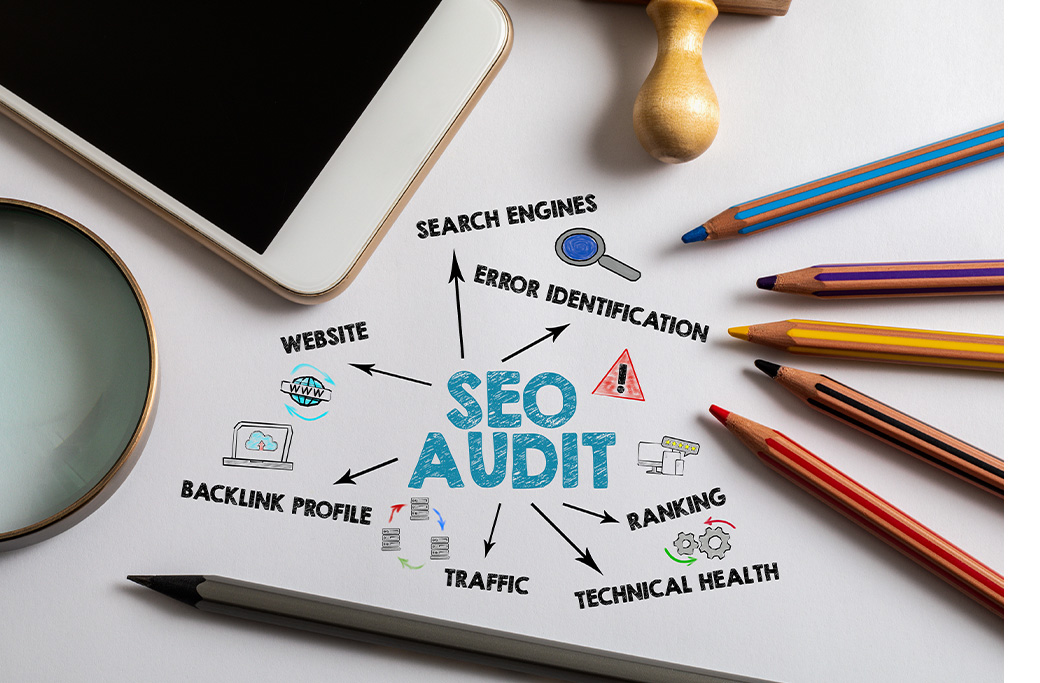
Most Common On-Site SEO Mistakes (and How to Fix Them)
Many businesses pour significant resources into a beautiful new website, fully expecting a flood of new leads. Months go by, and the phone stays silent. You might find yourself typing your own business name into Google, frustrated when your competitors show up at the top of the page instead. You are left asking, “Why isn’t my website showing up on Google?”
The issue rarely stems from a lack of effort. Usually, hidden on-site SEO mistakes hold your performance back. Search engines need specific, carefully placed signals to understand what your website is about and why it deserves a top spot in the search results. Without these signals, even the most visually stunning websites remain invisible to potential customers.
Our on-site SEO checklist will identify the most frequent on-site SEO errors preventing your website from ranking. By the end, you will know exactly how to spot these issues and apply straightforward fixes to get your business noticed.
What Is On-Site SEO and Why It Matters
On-site SEO involves optimizing the content, structure, and technical elements directly on your website. Search engines crawl these details to determine your relevance to a user’s search query.
Proper optimization heavily impacts your search rankings. A well-structured site also creates a smooth user experience, which keeps visitors engaged longer. When people easily find what they need, your conversion rates naturally increase. For local companies, solid on-site optimization means showing up exactly when nearby customers search for your specific services.
Mistake #1: Missing or Poorly Optimized Title Tags
Problem
Your title tag is the clickable headline that appears in search engine results. Many websites leave these blank, use vague terms like “Home,” or stuff them with far too many keywords. This approach confuses both users and search engines, resulting in lost traffic. Furthermore, failing to target your location or specific service means you miss out on highly qualified leads.
Fix
Write unique title tags for every page on your site. Keep them under 60 characters so they display correctly without getting cut off. Include your primary keyword and your location if you run a local business. Most importantly, make the text compelling enough to earn a click.
Example:
-
- Bad: “Home”
- Good: “Roofing Services in Winston-Salem | Wallob Roofing”
Mistake #2: Weak or Missing Meta Descriptions
Problem
Meta descriptions provide the brief summary under your title tag in search results. Leaving them blank forces Google to auto-generate a snippet from random page text, which often looks messy and irrelevant. Auto-generated descriptions also lack a call-to-action or keyword focus, giving users zero incentive to click through to your site.
Fix
Craft engaging summaries between 150 and 160 characters. Include your target keyword naturally within the sentence. Add a clear benefit for the reader and finish with a strong call-to-action to encourage searchers to visit your page.
Mistake #3: No Clear Page Structure (Headers & Organization)

Problem
Pages without clear headers become an intimidating wall of text. Using multiple H1 tags or skipping straight to H3 tags disrupts the visual and technical hierarchy. This disorganization makes your content difficult for humans to read and nearly impossible for Google to scan effectively.
Fix
Organize your pages with a logical structure. Use exactly one H1 tag per page for the main title. Break your supporting points down into H2 tags. Use H3 tags for smaller sub-sections. Place relevant keywords naturally within these headers to guide search engines through your content.
Mistake #4: Thin or Low-Quality Content
Problem
Pages with only a few sentences offer very little value to your visitors. Search engines favor deep, authoritative content that answers the user’s intent. Thin content fails to provide real depth, usually resulting in poor rankings and a high bounce rate.
Fix
Create detailed, helpful content that directly addresses real customer questions. Expand on your services by adding specific examples, FAQs, and local context. Give your visitors a reason to stay on your page and trust your industry expertise.
Mistake #5: Not Using Location-Based Keywords
Problem
Focusing entirely on generic terms like “plumber” or “marketing agency” puts you in direct competition with massive national brands. This broad approach means you miss out on local search opportunities, bypassing the people right in your neighborhood who need your help immediately.
Fix
Weave your city, region, and specific service keywords into your website copy. If you serve multiple distinct areas, build dedicated location pages for each one to capture targeted local search traffic.
Mistake #6: Poor Internal Linking Structure
Problem
When pages exist in total isolation, they become “orphan pages.” Without connections between related content, users cannot navigate your site easily. Search engines also struggle to crawl and index disconnected pages, leaving valuable content hidden.
Fix
Link between relevant service pages and blog posts. Use descriptive anchor text instead of generic phrases like “click here.” Build a pillar and cluster structure, linking your highly specific blog posts back to your core service pages to build topical authority.
Mistake #7: Ignoring Mobile Optimization

Problem
Most people browse the internet on their smartphones. If your website is slow, requires pinching to zoom, or features tiny buttons, visitors will leave immediately. Search engines actively demote sites that provide a poor mobile user experience.
Fix
Implement a responsive design that automatically adapts to any screen size. Optimize your images to drastically improve page speed. Regularly test your website across different devices and browsers to ensure everything functions perfectly.
Mistake #8: Missing or Inconsistent Business Information (NAP)
Problem
NAP stands for Name, Address, and Phone number. If this information is missing from your site, or if it varies across different web directories, search engines lose trust in your local relevance. Inconsistent business details severely hurt local SEO trust signals.
Fix
Place your exact NAP details clearly in your website’s footer and on your contact page. Double-check that this information matches your Google Business Profile and all other external directories perfectly.
Mistake #9: Not Optimizing for AEO (Answer Engine Optimization)
Problem
Artificial intelligence and voice search now handle a massive share of user queries. Content that lacks direct answers and structured formatting will fail to appear in AI-generated overviews.
Fix
Create dedicated FAQ sections on your pages. Provide clear, concise answers to common questions. Incorporate conversational keywords that match how people actually speak when using voice assistants.
Signs Your Website Has On-Site SEO Issues
If you suspect your website needs technical help, look for these common warning signs:
-
- You are not ranking for your core services in your local area.
- You experience consistently low organic traffic week over week.
- Analytics show a high bounce rate, meaning users leave your site almost immediately.
- Your website generates few or zero leads for your sales team.
How Wallob Helps Fix On-Site SEO Issues
With several years of experience helping Winston-Salem businesses grow, Wallob Marketing knows exactly what it takes to dominate search results. We take a data-driven, results-focused approach to ensure your website actively works for you around the clock.
Our comprehensive services include:
-
- In-depth website audits to uncover hidden technical errors.
- On-page optimization to secure top ranking results.
- Content marketing improvements that engage and convert visitors.
- Custom local SEO strategies tailored to your specific market.
Most Common On-Site SEO Mistakes (and How to Fix Them)
You do not need to rewrite your entire website to see positive changes. Even small fixes to your title tags, headers, and internal links lead to major improvements in your search visibility. Taking a proactive approach to optimization ensures your business stays far ahead of local competitors. Contact Wallob today for a complementary analysis of your online presence and start getting the traffic you deserve.
About the Author: Richard J Carr