Facebook Ads vs Google Ads: Which Is Better for Business?
Many business owners know they need paid advertising, but feel unsure where to start. You have a marketing budget ready to deploy, and the goal is simple: more traffic, more leads, and more revenue. However, when it’s time to launch a campaign, you quickly run into a major decision point.
The digital advertising space is dominated by two major platforms: Facebook Ads (Meta Ads) and Google Ads. Both offer massive reach and powerful targeting capabilities, but they work in fundamentally different ways. Choosing between them often feels like a high-stakes decision. The real challenge usually comes down to one question: do you need brand visibility, or do you need high-intent leads ready to convert?
This article breaks down the strengths and differences of each platform, so you can make a more informed decision based on your business goals, budget, and industry. Instead of guessing where to invest, you’ll understand how each system actually performs in real-world marketing.
At Wallob, a full-service digital marketing agency based in Winston-Salem, we help businesses turn ad spend into measurable results by building strategies that focus on return on investment, not wasted clicks. Let’s break down how these two platforms compare.
Understanding the Difference Between Facebook Ads and Google Ads
The easiest way to understand the difference between Facebook Ads and Google Ads is to look at user behavior. People use these platforms for entirely different reasons.
Facebook Ads rely on interruption-based advertising. When users open Facebook or Instagram, they are usually looking to catch up with friends, watch entertaining videos, or read the news. They are scrolling passively. Your ad interrupts that scrolling experience with an eye-catching image or video.
Google Ads rely on intent-based advertising. When a user goes to Google, they are actively typing a specific question or search query into the engine. They have a problem that needs solving right now. Your ad appears exactly when they are looking for that specific solution.
The key distinction is simple. Facebook is built for demand generation, while Google is built for demand capture.
How Facebook Ads Work

Facebook advertising allows you to push your message in front of people based on who they are and what they like.
Overview
Instead of targeting keywords, Facebook targets users based on their interests, demographics, and past online behaviors. You can build highly specific audience profiles. The ads appear directly within the Facebook feed, the Instagram feed, and inside immersive formats like Stories and Reels.
Strengths
Facebook is incredibly strong for building brand awareness. The platform heavily favors highly visual campaigns, making it the perfect place to share engaging images, video content, and short-form reels. Since you can target users based on granular demographic data (like age, location, job title, and life events) you can introduce your brand to the exact type of person most likely to buy from you.
Best for
Facebook Ads work exceptionally well for new businesses trying to build initial awareness. Local service businesses can also find great success here by promoting special discount offers to their surrounding community. Furthermore, e-commerce and lifestyle brands thrive on Facebook because their products are highly visual and easy to buy on impulse.
How Google Ads Work
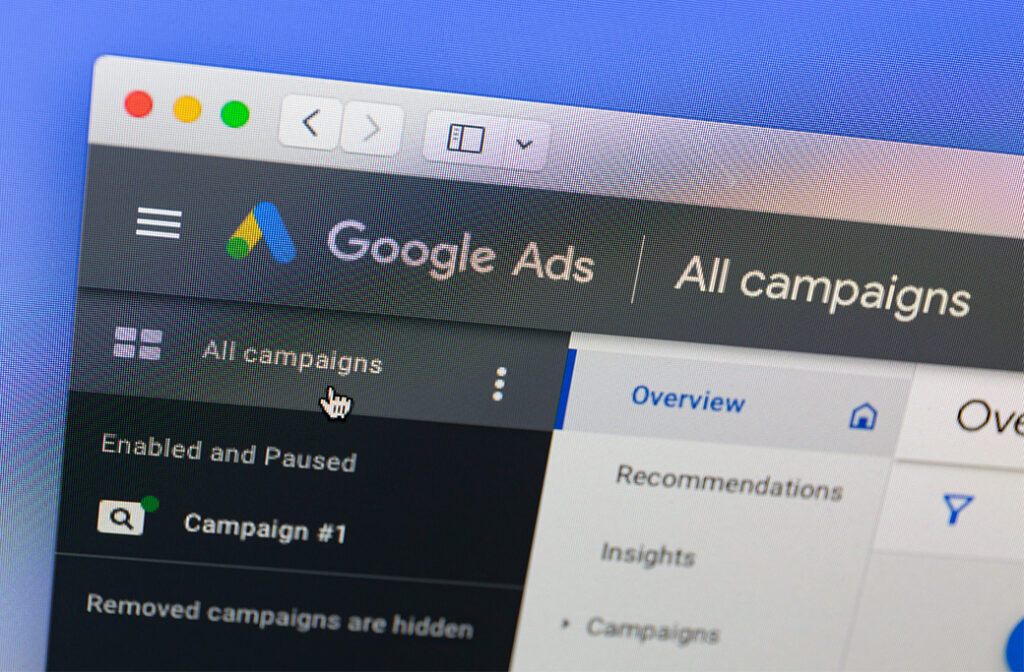
Google Ads flips the script. Instead of finding the right person, you are trying to find the right search query.
Overview
Advertisers use Google to target users based on search intent and specific keywords. When someone searches for “plumber near me,” relevant ads populate at the top of the page. These ads can appear in Google Search results, on Google Maps, and across the broader Google Display network.
Strengths
The biggest strength of Google Ads is its ability to capture high-intent customers. These people are actively looking to spend money or hire a professional. This creates immediate lead generation potential. For service-based businesses, capturing a customer at the exact moment of need results in a remarkably strong return on investment.
Best for
Google Ads are perfect for local service providers, including plumbers, contractors, and specialized marketing agencies. Businesses that solve urgent customer needs (like emergency HVAC repair or towing services) see massive benefits. It is also highly effective for selling high-ticket services where buyers do heavy research before committing.
Facebook Ads vs Google Ads: Key Differences
Looking at a side-by-side comparison helps clarify which platform aligns with your current marketing strategy.
-
- Intent: Google focuses on high search intent. Facebook focuses on brand discovery.
- Speed of results: Google is often faster for generating direct leads and immediate sales.
- Cost structure: Pricing varies greatly depending on industry competition. High-intent Google keywords can be expensive, while Facebook offers a generally lower cost-per-click for broad audiences.
- Audience targeting: Facebook offers much more granular demographic and behavioral targeting.
- Conversion type: Google usually drives direct actions like calls or purchases. Facebook is often better for nurturing leads and capturing email sign-ups.
When to Use Facebook Ads
You should invest your budget into Facebook Ads when:
-
- You need to build brand awareness and local visibility.
- You are launching a brand new business or a unique service that people don’t know exists yet.
- Your target audience does not actively search for your service on a daily basis.
- You want to build highly effective retargeting audiences to stay top-of-mind with past website visitors.
When to Use Google Ads
You should allocate your budget toward Google Ads when:
-
- You want immediate leads and direct conversions.
- Customers are actively searching for your exact product or service online.
- You operate in a high-intent local market where timing is everything.
- You specifically want phone calls, form submissions, or booked appointments.
Why Many Businesses Benefit from Using Both
You do not necessarily have to choose one platform and ignore the other. The most successful marketing campaigns often utilize both systems in harmony.
Facebook works brilliantly to build awareness and warm up cold audiences. A user might see your engaging video on Instagram and learn about your brand for the first time. A few days later, when they are finally ready to make a purchase, they search for your service on Google. Since they already recognize your brand from Facebook, they are far more likely to click your Google Ad.
This combined strategy improves overall brand recognition. It boosts your conversion rates across the board and creates better cost efficiency over time.
Common Mistakes Businesses Make with Paid Ads
Running paid advertising campaigns without proper planning can quickly drain your budget. Here are the most common pitfalls to avoid:
-
- Running ads without a landing page strategy: Sending paid traffic to a generic homepage instead of a dedicated, conversion-optimized landing page wastes money.
- Targeting too broad or too narrow audiences: Reaching millions of unqualified people burns cash, but restricting your audience too much prevents the platform’s algorithm from learning.
- Not tracking conversions properly: If you cannot measure exactly where your leads are coming from, you cannot optimize your spending.
- Choosing one platform without testing: Refusing to test different platforms or ad creatives leaves potential revenue on the table.
- Expecting immediate ROI without optimization: Paid advertising requires continuous tweaking. Setting up a campaign and walking away rarely works out.
How Wallob Builds High-Performing Ad Campaigns
At Wallob, we focus on ROI, not just your ad spend. Our mission is to help businesses grow by creating powerful, personalized marketing strategies. We handle the heavy lifting so you can focus on running your business.
Our comprehensive approach includes full paid advertising strategy development. We manage your Google Ads campaign setup and continuous optimization to capture high-intent searchers. Our creative team handles Facebook and Instagram ad creation, ensuring your visuals and targeting are perfectly aligned. We also specialize in web design and landing page optimization, guaranteeing that the traffic we generate actually converts into paying customers. Through continuous performance tracking and scaling, we make sure your advertising budget works as hard as you do.
Which Platform Should Your Business Start With?
If you have a limited budget and need to choose just one platform to start, use this simple decision framework.
If you need leads right now and people are actively searching for what you sell, go with Google Ads. If you need to build awareness for a visual product or an unknown service, start with Facebook Ads. If you want sustained, long-term business growth, eventually plan to use both.
There is no universal answer that applies to every single company. Your underlying strategy matters far more than the platform you choose to run it on.
Facebook Ads vs Google Ads: Which Is Better for Business?
Google Ads will capture demand from people actively looking for a solution. Facebook Ads will generate demand by putting your brand in front of targeted audiences who aren’t searching yet.
Ultimately, the importance of your overall marketing strategy outweighs your platform choice. Sending great traffic to a terrible website won’t generate sales, regardless of whether that traffic came from Facebook or Google. You need a cohesive plan that covers everything from the initial ad click to the final conversion.
Ready to stop wasting money on ads that don’t work? Contact Wallob today for a complimentary analysis and let us build a custom advertising plan designed to grow your bottom line.
About the Author: Richard J Carr