Do Google Ads Still Work in 2026?
Does Google Ads Still Work in 2026? What Businesses Need to Know
Google Ads has been a cornerstone of digital marketing for more than two decades. Since its launch in 2000, the platform has evolved from simple text ads into a sophisticated advertising ecosystem powered increasingly by artificial intelligence.
In 2026, business owners are asking a different question: Does Google Ads still work when Google Search itself is changing so quickly?
The answer is yes, but Google Ads looks very different than it did even a few years ago.
Search behavior is increasingly influenced by AI Overviews, conversational queries, and Google’s evolving AI-powered search experiences. At the same time, advertising costs remain competitive, and Google’s automation means advertisers need to think beyond individual keywords and manual bid adjustments.
For businesses that understand these changes, Google Ads can still be an effective way to generate qualified traffic, leads, sales, and local customers. The key is using the platform strategically rather than treating it as a simple pay-per-click traffic source.
Is Google Ads Still Effective in 2026?
Yes. Google Ads continues to generate measurable traffic and conversions for businesses across a wide range of industries.
According to WordStream’s 2026 Google Ads benchmarks, based on more than 13,000 U.S.-based search advertising campaigns running from April 2025 through March 2026, the average metrics were:
-
- 6.64% average click-through rate
- $5.42 average cost per click
- 8.18% average conversion rate
- $66.69 average cost per lead
These figures are 2026 benchmark averages, not guarantees. Actual Google Ads performance varies considerably based on industry, competition, location, campaign strategy, offer, landing-page experience, and conversion tracking.
For example, the 2026 benchmarks show an average CPC of $8.33 for home and home improvement businesses and $7.17 for personal services, while automotive repair and service businesses averaged a 14.67% conversion rate. See WordStream’s 2026 industry benchmarks
The takeaway is important: there is no universal Google Ads ROI. A campaign should be evaluated based on the value of the customers it generates—not simply how many clicks it receives.
What’s Changed About Google Ads in 2026?
One of the biggest changes is the growing role of artificial intelligence.
Google is increasingly using AI to determine which searches are relevant, which ads to show, how ads are written, which landing pages are most appropriate, and how much an advertiser should bid for a particular opportunity.
AI Max for Search Campaigns
Google’s AI Max for Search campaigns is one of the most significant developments for advertisers in 2026.
AI Max is not a separate campaign type. Instead, it is an optimization layer that can be applied to Search campaigns. It uses AI-powered search-term matching, asset optimization, and landing-page expansion to help advertisers reach relevant searches they may not have specifically targeted with traditional keywords.
This changes the role of keyword research.
Keywords still matter, particularly for understanding customer intent and building a strong campaign foundation. However, advertisers increasingly need to give Google’s systems quality information, including relevant landing pages, compelling ad assets, accurate conversion data, and appropriate geographic and brand controls.
Google has also announced additional transitions to AI Max. Campaigns using automatically created assets and campaign-level broad match are scheduled to be automatically upgraded beginning in September 2026, while the transition from Dynamic Search Ads has been extended to begin in February 2027.
Google Ads and AI Overviews
Google Search itself is also changing.
AI Overviews can now appear in Search results for queries where Google determines that an AI-generated explanation may be particularly useful. Ads can appear above or below AI Overviews, and eligible Search, Shopping, Performance Max, and App campaigns can also appear within AI Overviews in supported markets and circumstances.
Advertisers cannot simply choose to target AI Overviews as a standalone placement. Google determines eligibility based on the user’s query, the AI Overview context, commercial intent, and the relevance and quality of available ads.
This means businesses need to think about more than exact-match keywords. Understanding the questions, problems, and intent behind searches is becoming increasingly important.
Google is also testing advertising experiences in AI Mode, creating another potential avenue for businesses to reach customers as search becomes more conversational and exploratory.
Benefits of Google Ads in 2026
Despite all the changes to Search, Google Ads still offers several major advantages.
1. Reach People With Active Intent
One of Google’s biggest strengths remains search intent.
Someone searching for “emergency plumber near me,” “best dentist in Winston-Salem,” or “roof repair estimate” is expressing a need that may be much closer to a purchase or service inquiry than someone simply browsing social media.
For local service businesses, that intent can be particularly valuable.
2. Generate Traffic Quickly
SEO can take months to build meaningful visibility. Google Ads can place a business in front of potential customers much more quickly.
That makes paid search useful for:
-
- New businesses
- New services
- Seasonal promotions
- Time-sensitive offers
- Competitive local markets
- Businesses that need leads while SEO gains traction
Google Ads should not necessarily replace SEO. In many cases, the two work best together.
3. Control Your Budget
Google Ads allows businesses to establish campaign budgets and adjust spending based on performance.
A business can start with a controlled test budget, evaluate which searches and conversions produce value, and increase investment where the economics make sense.
However, a small budget does not automatically make Google Ads inexpensive. In competitive industries, a limited budget can be consumed quickly if campaigns are not carefully structured and monitored.
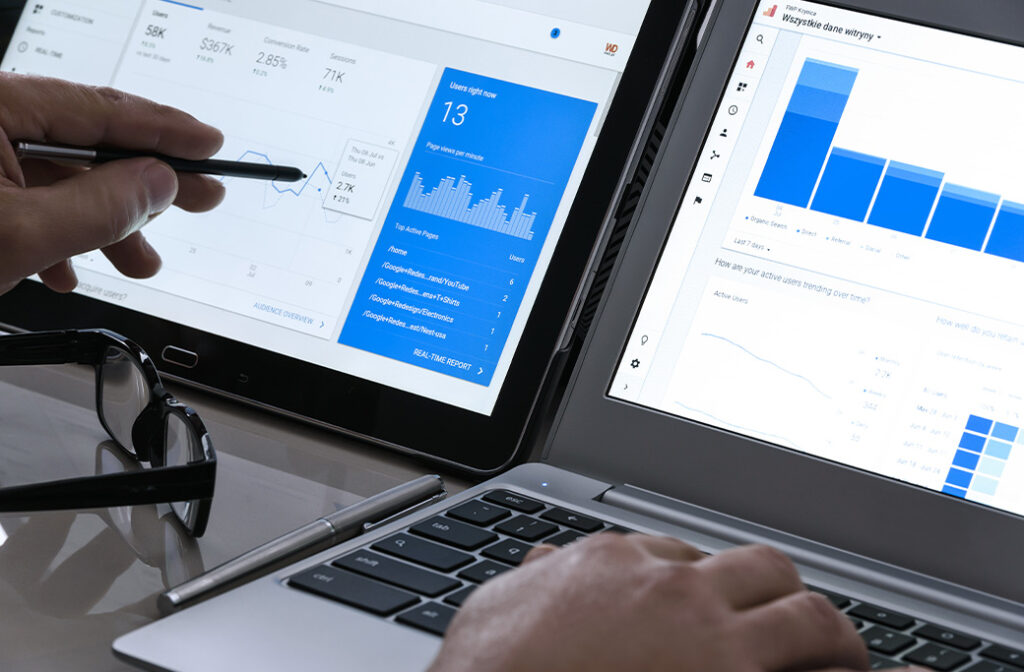
4. Measure More Than Clicks
Modern Google Ads measurement can go considerably further than simply counting clicks.
Businesses can track actions such as:
-
- Phone calls
- Form submissions
- Purchases
- Appointment requests
- Quote requests
- Online registrations
- Qualified leads
- Offline sales
Google’s enhanced conversions capabilities can also use first-party customer information to improve conversion measurement and bidding. In 2026, Google has been consolidating enhanced conversions for web and leads and expanding how advertisers can provide data through website tags, Data Manager, and API connections.
For lead-generation businesses, this is particularly important. A campaign generating 100 inexpensive leads is not necessarily better than one generating 30 highly qualified leads that become customers.
Challenges of Google Ads in 2026
Google Ads remains powerful, but it is not a guaranteed source of inexpensive leads.
Rising and Uneven Advertising Costs
Competition continues to influence CPCs, and costs vary dramatically by industry.
The 2026 benchmark data shows an overall average CPC of $5.42, but some industries are substantially higher. Home and home improvement averaged $8.33, attorneys and legal services averaged $9.87, and dentists averaged $8.00.
This makes it dangerous to evaluate Google Ads based solely on CPC.
A $10 click may be perfectly reasonable if it produces a $2,000 customer. A $2 click can be expensive if it produces nothing.
More Automation Requires Better Strategy
Google is automating more of the advertising process, but that does not mean campaigns can simply be launched and ignored.
AI-powered systems need useful inputs.
Poor conversion tracking, weak landing pages, irrelevant website content, inaccurate geographic targeting, and low-quality conversion goals can still produce poor results—even when Google’s automation is doing the bidding.
The role of the advertiser is increasingly shifting from manually controlling every auction to providing the right strategy, data, creative assets, audience signals, and business goals.
Search Results Are Becoming More Complex
Traditional search results are no longer the only place customers may encounter information or advertising.
AI Overviews, AI Mode, local results, maps, Shopping results, videos, images, and other Search features can all influence the customer journey.
This makes a coordinated digital marketing strategy more important.
For local businesses in particular, Google Ads should often be considered alongside:
-
- Local SEO
- Google Business Profile optimization
- Organic search
- Review management
- Website conversion optimization
- Content marketing
- Landing pages
How to Make Google Ads Work Better in 2026
The businesses most likely to get value from Google Ads are not necessarily the ones with the largest budgets. They are often the ones with the strongest fundamentals.
Start With the Right Conversion Goals
Do not optimize campaigns around clicks if the business actually needs customers.
Determine what a valuable conversion looks like first. For a service business, that could be a phone call, estimate request, consultation, or appointment.
Whenever possible, connect advertising data to actual business outcomes.
Build Landing Pages Around Search Intent
Sending every advertisement to the homepage is rarely the best approach.
A search for “emergency AC repair” should ideally lead to a page specifically addressing emergency AC repair—not a generic page that requires the visitor to figure out what to do next.
Landing pages should make the service, location, value proposition, trust signals, and next step immediately clear.
Use Geographic Targeting Carefully
Local businesses need to pay close attention to where ads are actually being shown.
Target the geographic areas the business can realistically serve, and monitor search terms and location data regularly.
For service-area businesses, location targeting should align with actual service availability rather than simply targeting an entire city or metropolitan area.
Give Google’s AI Better Information
As Google relies more heavily on AI, the quality of the information advertisers provide becomes increasingly important.
Strong campaigns benefit from:
-
- Clear conversion goals
- Relevant landing pages
- High-quality ad assets
- Accurate business information
- Strong first-party data
- Appropriate geographic controls
- Useful negative keywords and search-term analysis
- Reliable conversion tracking
AI can help optimize a campaign, but it cannot compensate for a fundamentally unclear offer or a website that fails to convert visitors.
Google Ads vs. SEO: Which Is Better?
The answer depends on the business and its goals. Google Ads can provide visibility and traffic much faster than SEO, but every click comes with an advertising cost.
SEO generally takes longer to establish but can continue generating organic traffic without paying for every individual click. For many businesses, the most effective strategy is not choosing between the two.
Google Ads can provide immediate visibility while SEO builds long-term organic visibility.
The two channels can also inform each other. Search-term data from paid campaigns can reveal how customers describe their needs, while strong organic content and landing pages can improve the overall experience for people arriving through paid search.
Is Google Ads Worth It for Local Businesses?
Google Ads can be particularly valuable for local service businesses when customers actively search for the services they provide.
Industries such as home services, professional services, healthcare, automotive services, legal services, and other appointment- or lead-based businesses may have significant opportunities in search advertising.
However, the economics need to make sense. Before launching a campaign, a business should understand:
Average customer value → acceptable acquisition cost → expected conversion rate → estimated cost per lead → required advertising budget
For example, a company selling a $5,000 service can potentially justify a substantially higher cost per qualified lead than a business selling a $50 product. The right question is therefore not simply, “How much do Google Ads cost?”
It is: “How much can we afford to spend to acquire a profitable customer?”
Wallob Marketing’s Approach to Google Ads
With more than 25 years of marketing and advertising experience, Wallob Marketing takes a strategic approach to Google Ads designed around each client’s business goals rather than a one-size-fits-all campaign template.
The process begins with understanding the business, its customers, service area, competition, and desired outcomes. Campaigns are then structured around relevant search intent, geographic targeting, conversion goals, compelling ad messaging, and landing-page relevance.
For local businesses, Wallob can also coordinate paid advertising with local SEO and broader search strategies. This creates opportunities to reach potential customers through both paid and organic visibility rather than relying on one channel.
Ongoing optimization focuses on meaningful business results, not vanity metrics. That means looking beyond impressions and clicks to understand which campaigns, searches, and conversions are actually contributing to leads, customers, and revenue.
Is Google Ads Right for Your Business in 2026?
Google Ads has changed substantially since its launch, but its fundamental value remains: it can put a business in front of people who are actively searching for products and services.
What has changed is how those opportunities are identified and delivered.
AI-powered targeting, automated bidding, AI Overviews, AI Max, evolving conversion measurement, and increasingly conversational search mean that successful Google Ads campaigns require more than selecting a few keywords and writing some advertisements.
Businesses that approach Google Ads strategically, with clear goals, strong landing pages, reliable tracking, relevant content, and ongoing optimization—can still use paid search to generate meaningful business results in 2026.
If you’re wondering whether Google Ads makes sense for your business, Wallob Marketing can help you evaluate your current advertising strategy, website, conversion opportunities, and search visibility.
Ready to find out whether Google Ads can work for your business? Contact Wallob Marketing for a complimentary analysis of your advertising needs and discover where paid search can fit into your broader 2026 marketing strategy.
Frequently Asked Questions About Google Ads in 2026
About the Author: Richard J Carr