
Create Content That Ranks and Converts (SEO Guide)
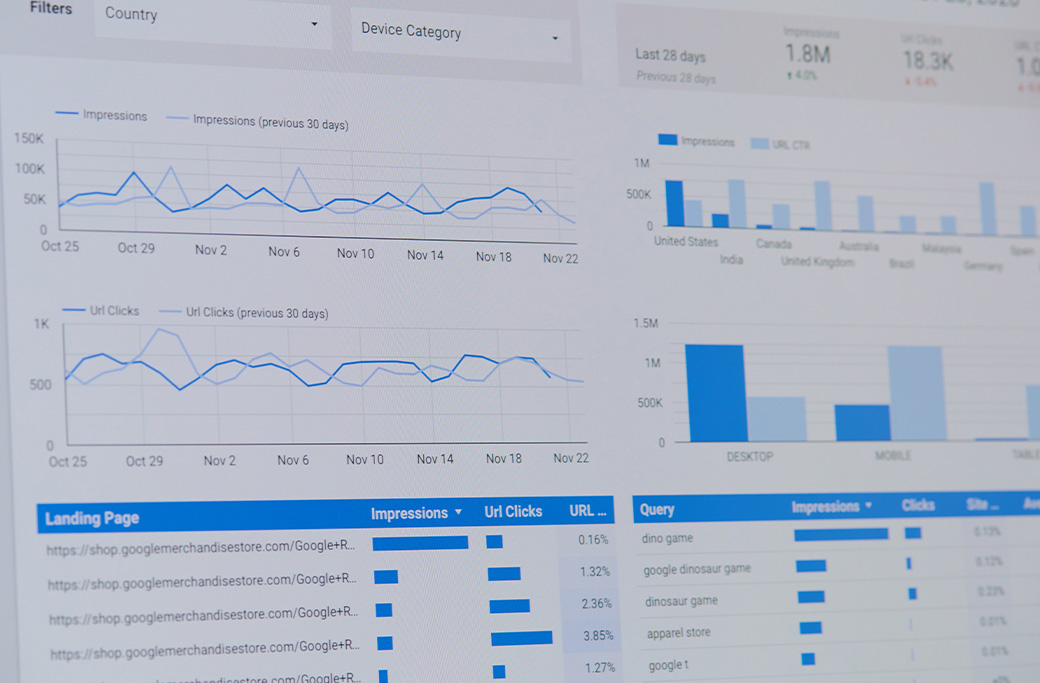
You spend hours drafting the perfect blog post, hit publish, and wait for the phone to ring. A month goes by, and your analytics show little to no traffic.
Many businesses run into this exact problem. They invest heavily in creating articles and landing pages, but fail to see a real return. The issue is usually a lack of balance. Some content is overly focused on search engines, reading like it was written by a robot. Other content connects well with readers, but lacks the structure and optimization needed to rank on Google.
Your goal should be creating content that both ranks in search results and converts visitors into qualified leads. Traffic without action is just a vanity metric.
This article breaks down the key elements of high-performing content and how to apply them effectively. By the end, you will understand how to balance search visibility with real human connection, so your content doesn’t just get found, but actually drives results.
What Does “Ranking and Converting” Content Mean?
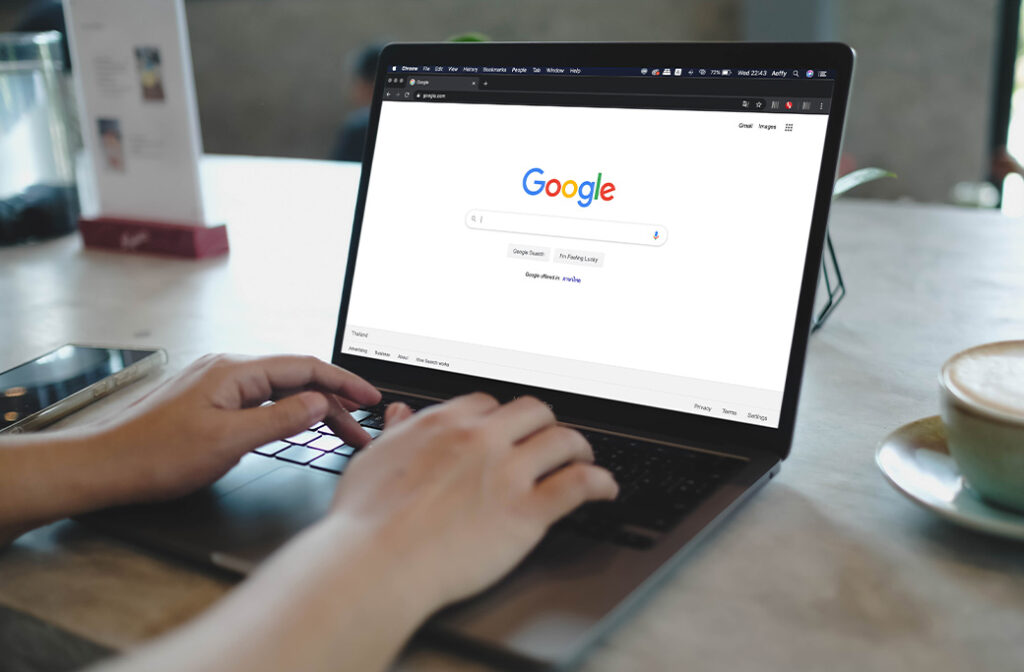
Ranking content achieves high visibility on search engines. When someone types a specific query into Google, your page appears near the top of the results, driving steady, organic traffic to your website.
Converting content persuades that traffic to take a desired action. This might mean calling your office, filling out a contact form, or downloading a resource.
Both elements are absolutely necessary for a positive return on investment. Generating thousands of monthly visitors means very little if none of them buy your services. You need search engine optimization to get people in the door, and persuasive copywriting to make them stay.
Start with the Right Keywords and Search Intent

A major reason businesses fail to gain traction is their keyword strategy. They often target broad, highly competitive terms that are nearly impossible to rank for, or they choose phrases that don’t match their actual services.
The solution is identifying high-intent keywords. These typically combine your service with your location, such as “plumber in Winston-Salem,” “roof repair near me,” or “marketing agency Winston-Salem.”
You also need to understand search intent. Every Google search falls into one of three categories:
-
- Informational: The user wants to learn something
- Navigational: The user is looking for a specific website
- Transactional: The user is ready to make a purchase
When your keyword strategy aligns with intent, your content attracts people who are already closer to becoming customers rather than just browsing.
If you want to understand how this fits into the bigger picture of local visibility and rankings, we break it down in more detail here:
| What Is Local SEO & Why Winston-Salem Businesses Need It
Structure Your Content for SEO and Readability
Publishing massive blocks of text is a guaranteed way to drive users away from your site. Poor structure makes reading difficult, especially on mobile devices.
Use a clear hierarchy to guide the reader. Start with a single H1 title, use H2s for main sections, and H3s for supporting points. Break your thoughts down into short paragraphs of just two or three sentences. Bullet points are also excellent for highlighting key takeaways.
This structure greatly improves the user experience. It also helps search engine crawlers understand the hierarchy and context of your page, boosting your overall visibility.
Write Content That Answers Real Customer Questions
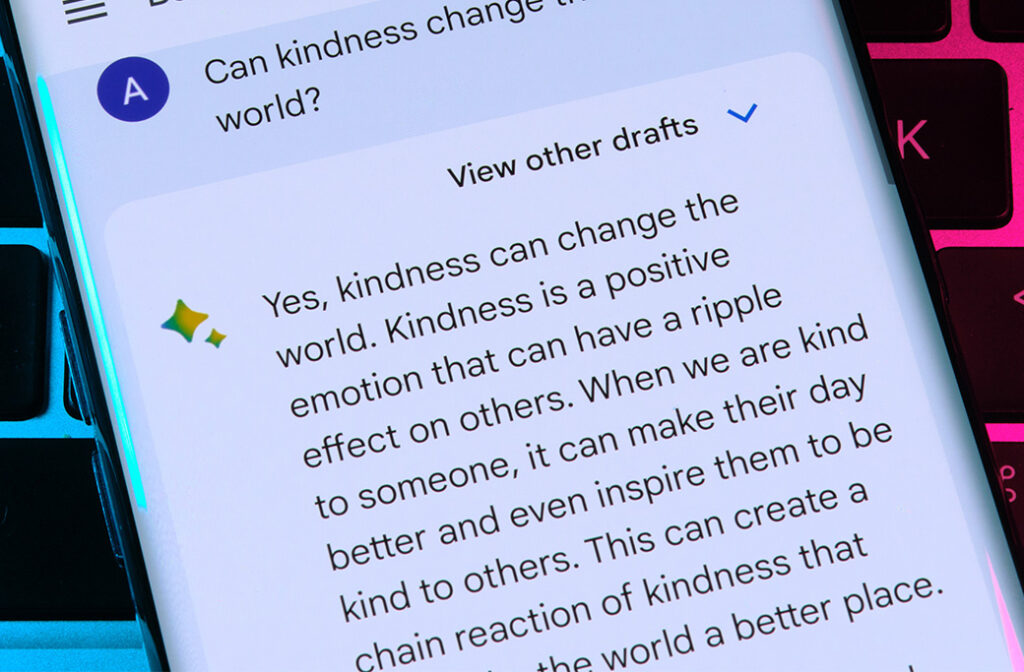
Many companies make the mistake of focusing entirely on themselves. They write endlessly about their awards, history, and internal processes. While establishing authority is important, your readers primarily care about their own problems.
Address real customer pain points directly. Use conversational language to explain how your services provide a solution. Adding a frequently asked questions section is a great way to target specific queries. This tactic also helps optimize your site for Answer Engine Optimization (AEO) and voice search.
Optimize On-Page Elements for Rankings
Your writing needs the right technical signals to perform well. Optimizing specific on-page elements helps search engines categorize your site correctly.
Key elements include:
-
- Title tags: Keep these keyword-focused and under 60 characters so they display correctly in search results.
- Meta descriptions: Write clear, compelling summaries with a call-to-action to encourage clicks.
- Headers: Use keyword-rich, properly structured H2 and H3 tags.
- Internal links: Connect related articles on your website to keep users engaged and help crawlers navigate your site.
Add Local Relevance to Drive Qualified Traffic
Generic advice rarely converts well for service-based businesses. If you operate in a specific city, your website should reflect that geography.
Include location-based keywords naturally throughout your writing and reference your local audience to build immediate trust. For example, explicitly mentioning “Winston-Salem businesses” shows readers you understand their specific market. Creating location-specific landing pages is also an effective strategy for capturing neighborhood-level search traffic.
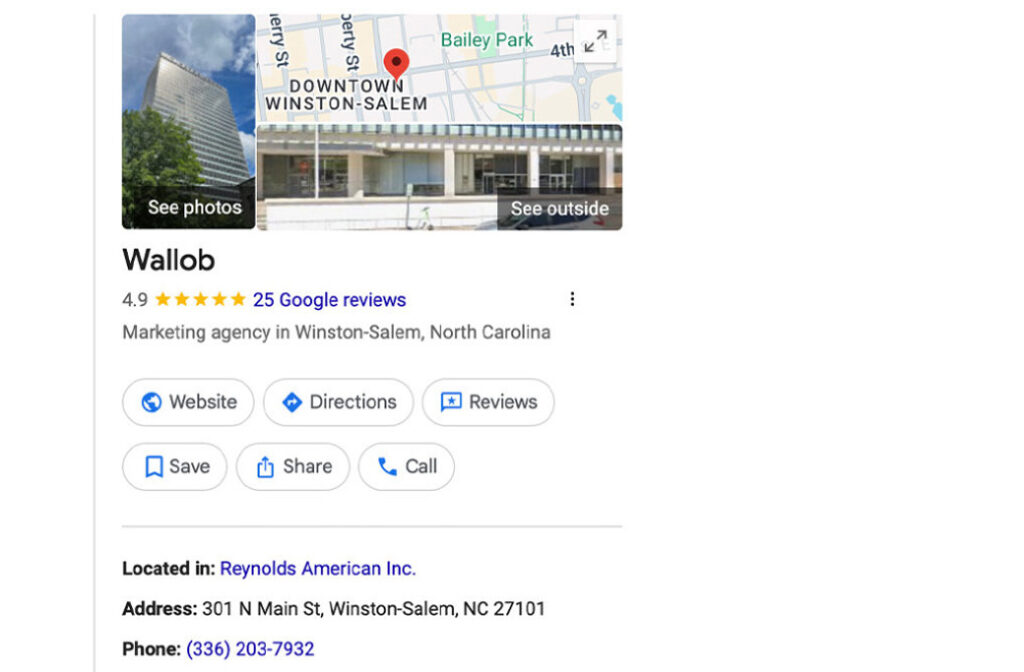
A strong example of this in action is optimizing your Google Business Profile, which plays a major role in how your business appears in local search and map results.
Use Calls-to-Action That Actually Convert
You can provide the most helpful information on the internet, but if you don’t tell the reader what to do next, they will simply leave.
Add strategic calls-to-action (CTAs) throughout your pages. Use clear, direct commands like “Contact us for a free audit” or “Get a custom SEO strategy.” Place these prompts naturally after key educational sections and always include a strong CTA at the end of the article.
Balance Value with Conversion (Don’t Give Everything Away)
Providing actionable, helpful information builds immense trust with your audience. However, you should avoid overwhelming readers with excessive technical details or step-by-step DIY tutorials for complex tasks.
You can certainly do this yourself. However, doing it right takes expertise and time.
Educate your audience on the strategy and the “why,” but position your business as the best way to execute the “how.” Show them the value of the work, and let them realize that hiring a professional is the smartest business decision.
Common Content Mistakes That Hurt Rankings and Conversions
Even experienced marketers occasionally stumble. Watch out for these frequent errors:
-
- Writing entirely for search engine algorithms and ignoring human readability.
- Failing to match the user’s search intent.
- Using weak or entirely missing calls-to-action.
- Publishing isolated articles with no internal linking strategy.
- Posting inconsistently, which signals a stagnant website to search engines.
How Wallob Helps Businesses Create Content That Performs
Creating material that satisfies both Google and your future customers requires a dedicated strategy. Wallob is a full-service advertising and marketing agency located in downtown Winston-Salem, North Carolina. We bring years of experience to the table, helping businesses like yours thrive online.
Our comprehensive services include:
-
- Keyword research and strategy mapping
- Content planning and creation
- Technical on-page SEO optimization
- Conversion-focused copywriting
- Ongoing performance tracking
We take a data-driven approach to every campaign. Our local expertise ensures your messaging hits home with your target audience, delivering a results-focused strategy that actually impacts your bottom line.
Create Content That Ranks and Converts (SEO Guide)
Your website should be your hardest-working salesperson. By ensuring your articles rank highly and speak directly to customer needs, you build a sustainable pipeline for new leads. Small improvements in your site’s structure, keyword targeting, and copywriting can lead to major revenue results.
Ready to stop guessing and start growing? Contact Wallob today for a custom strategy and a free website audit.
About the Author: Richard J Carr